• Skip to main content
  • Skip to footer

Digital Ducats Inc.

SEO Consulting & Services

  • Home
  • About
    • SEO Consulting
  • Services
    • SEO
    • Local SEO
  • Contact
    • Pricing
    • Write For Us
  • Blog
You are here: Home / Blog

Feb 25 2023

How To Generate More Leads From Your Website

If your focus is on the future growth of your business, you probably want to know how to generate more leads in the shortest period of time. Why not take advantage of one of your most powerful marketing tools-your website?

Most business owners aren’t aware of the options that exist for increasing the number of leads your website generates. This article is going to reveal a few of the key tactics you can set into motion in order to capitalize on greater streams of revenue.

Rank higher for keywords that convert

It sounds simple right? If it were that simple, we would all be neighbours on luxury yachts in Monaco at some point. The truth is that the closer your page is to the number one position, the more clicks it regularly receives.

Find the pages that are already driving traffic. You can use a tool like Ahrefs to pull up your best-performing pages and see which terms are driving the most traffic.
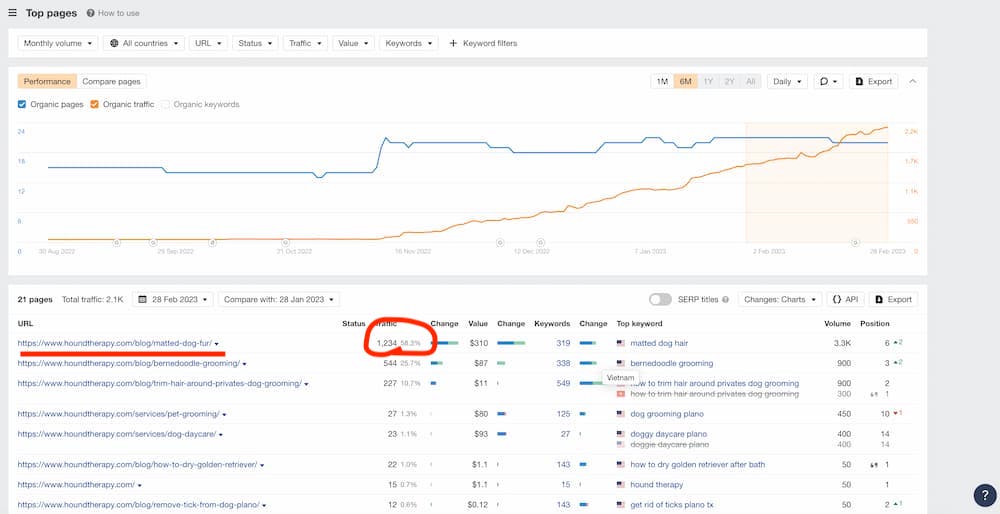
ahrefs top pages report to show traffic on top pages of website so you figure out how to generate more leads for your website

Alternatively, you can also consult one of the most powerful online tools you can get for free. Google Analytics to see the traffic that every page on your site is receiving. Click on Behaviour, Site Content, and All Pages.
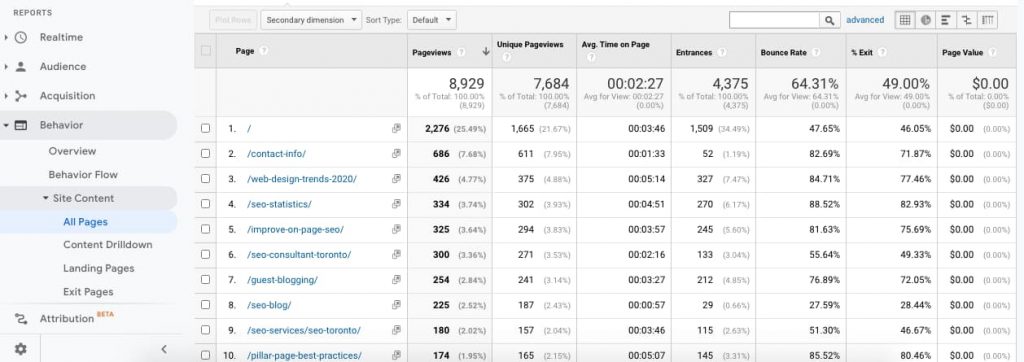
Track your website's top performing pages with Google Analytics as part of how to generate more leads from your website

Now you have a report on what pages are already performing for your website. The reason this is important is that some of the biggest gains you can make in your traffic generation are moving your website up for a keyword that already ranks on the first page of search results.

That means that the amount of traffic that you receive from moving your page anywhere from #5-10 into the top 5 spots will result in a huge jump in traffic. Here is a study performed on the traffic/click-through rate of the top 10 spots on the first page of search results.
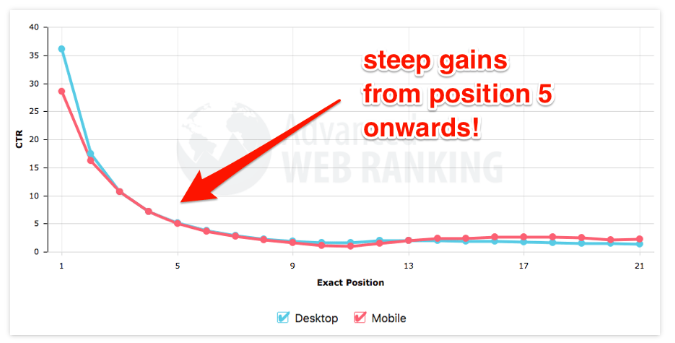
Generate more leads from your website by improving the first page positions your page already ranks for
A study performed by Advanced Web Ranking

The best part of this strategy is that you may relatively quick results without as much work as ranking a new page to the top of Google.

Like most things in SEO, it depends on many different variables. If the competition is extremely tough it will take more effort to move the needle, but you can look for opportunities where your page could improve its optimization, backlink profile or update its content to break through to a higher ranking.

Pay attention to the pages that are also ranking in positions 11-20. They also are within striking distance and are considered prime traffic opportunities. Generate more traffic and leads with existing content rather than ranking brand new pages to the top of the SERP.

Related reading: How To Grow Your Business & Save Time With Automation

Build an email list

An email list is a valuable asset to have as a website owner. It doesn’t matter the type of industry in which you compete, you gain valuable data as well as generate more leads from your website.

A major benefit to owning an email list is that you control a small percentage of traffic that flows to your website.

Drive traffic at the click of a button

Assume you’ve put in the time to collect a formidable list of email addresses consisting of an engaged audience. One-click of a button can send hundreds, if not thousands, of visitors to your website to check out new content, read about a product promotion or let them know about a sale.

This gives you the power to rely less on Google and other channels for traffic and sales. Even if your rankings went down the tube on Google, you would have a means for driving traffic and generating more leads from your website.

Guide your audience through your marketing funnel

An email list is one of the oldest methods of online marketing and still remains one of the most effective. With a good strategy, you can generate repeat sales and guide new visitors through your marketing funnel.

Generate original data and accurate research

An email list is also an excellent source for generating original data. You can send your list surveys periodically and ask questions that allow you to learn more about what they like and dislike.

With fresh accurate data about your audience, you can send them more content that’s built around what they like to read and what will get them to click through to your website.

Keep in mind that the average email survey response rate is 30% when you’re calculating the ideal survey sample size.

Highest ROI in online marketing

Throw in the fact that an email list provides one of the highest returns on your investment in the industry. An average email list generates $38 of revenue for every $1 spent. That’s an incredible 3800% ROI!

If you want to generate more leads from your website, you need to consider building your email list.

Use lead magnets

One of the most popular ways to get people to join your email list is to use lead magnets. A lead magnet is an opt-in box that offers upgraded content in exchange for the visitor’s name and email address.
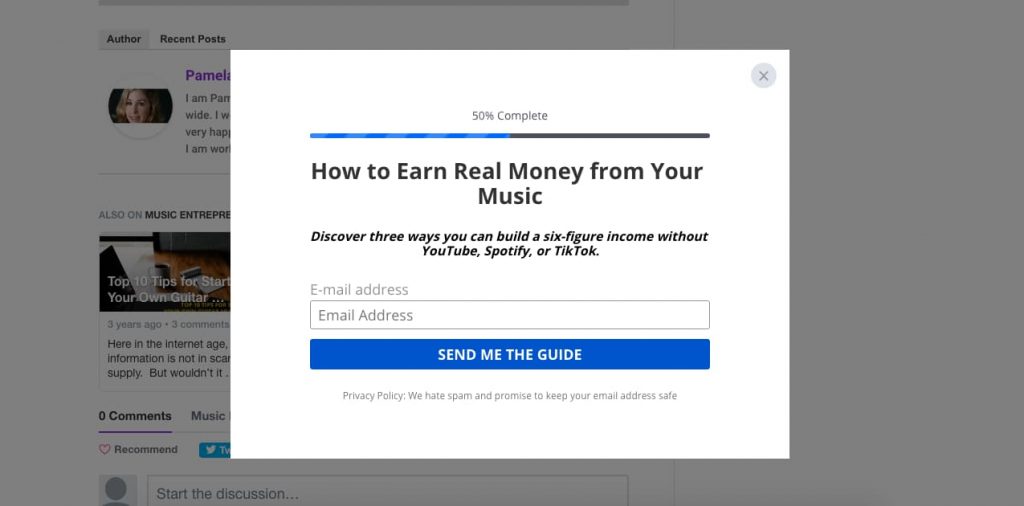
Generate more leads with your website using a pop-over opt-in box asking for an email address in exchange for a guide

It’s important to learn what type of lead magnets work best for the type of audience you have visiting your website. For example, offering a template or an instructional guide will work when visitors are landing on your site for informational content. This is common in the B2B industry.

If you have a retail website that is mostly B2C sales, then offering discounts or coupons may be a more effective barter arrangement for the visitors landing on your site.

It’s impossible to know what will work best for your audience without trying different methods. The popover exit box seems to be one of the most effective methods for most websites.

Google warns about using popovers without an exit as they undermine the user experience. Make sure users can easily opt out of the offer being extended to them via popover.

Publish audience-centric content

If you consider what brings people back to websites, it always comes down to having really good content. Even if it’s the products or services that are in demand, there’s always good content that’s published to represent those offerings. Publish audience-centric content for the highest return rates and conversions and generate more leads from your website.

Create your content from a topical perspective to address the most important needs of your audience. The triggers that have the most impact are the pain points that create the need for a solution.

Break down your major keyword topics into smaller, focused articles that address the problems your clients are experiencing and offer a solution to the problem. If you can show someone how to overcome an issue that would make their life better, it builds trust and confidence in your brand.

Storytelling is another way to create content that your audience can relate to and enjoy. Use success stories of current clients where your company’s solutions have been able to make a difference. When people can relate and see how your company is able to help, it’s much easier to support your brand.

Publish long-form evergreen content assets

Publish in-depth, long-form content on evergreen topics. An evergreen topic is one that stays relevant far into the foreseeable future. By publishing a long-form content asset, you create the opportunity to rank for multiple keywords and drive more traffic which ultimately converts to more leads.
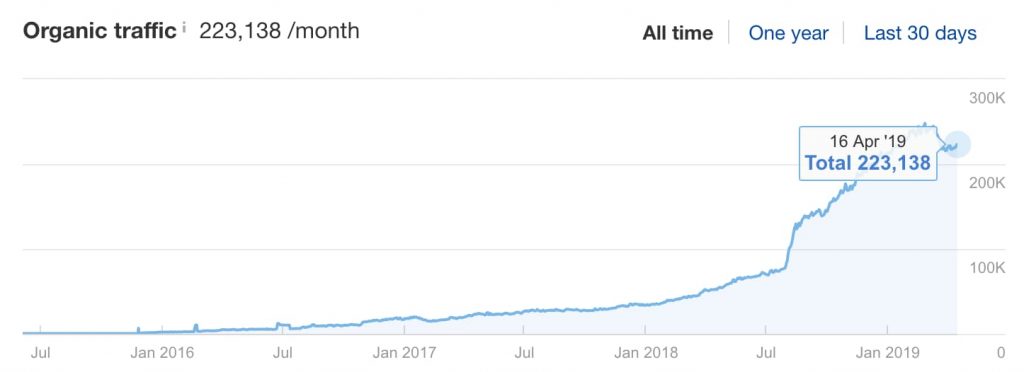
Ahrefs traffic growth with evergreen content

Evergreen topics can consist of a number of different content types such as interviews, question and answers, expert roundups, ultimate guides, case studies, infographics and original research.

When you publish a long-form article on an evergreen topic, it becomes a content asset because it acquires more backlinks and drives more traffic over time than a regular blog post. Evergreen content is topics that stay relevant so if you provide a high-quality resource, people will return to it, share it with others and continue to drive traffic and generate leads on a higher level than your typical blog post.

Include Call-To-Actions on every page

People need to be told what to do. Even though it may seem obvious to you, it’s not always obvious to a user on your website what they should do after reading a page. Include a call to action on every page of your site in order to gently urge users closer to making a conversion.
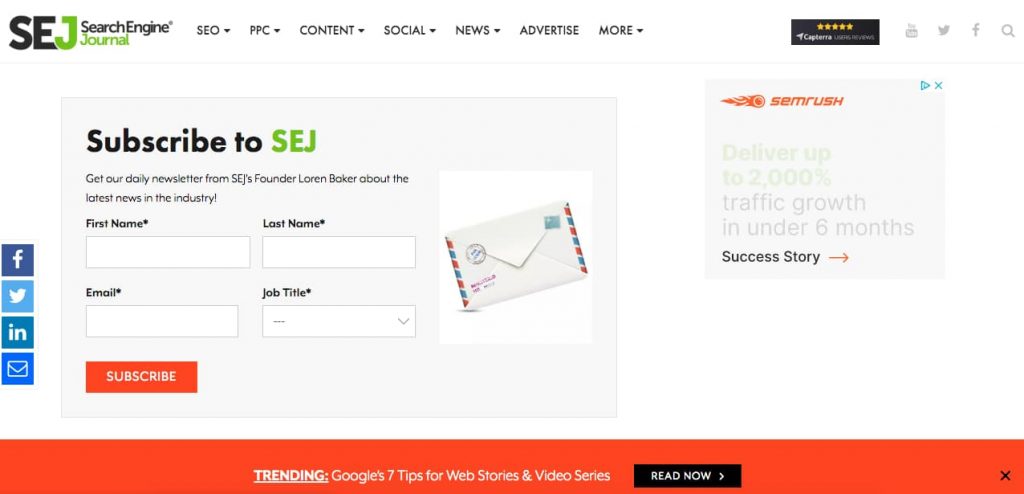
Search engine journal optin box with CTA to subscribe to their newsletter

It’s a simple addition you can make to every page on your site, but it can make a huge difference in moving visitors further along your marketing funnel.

Whether it’s asking for them to share a page on their social network, filling out a form or making a phone call, ask your visitors to do what you want them to do.
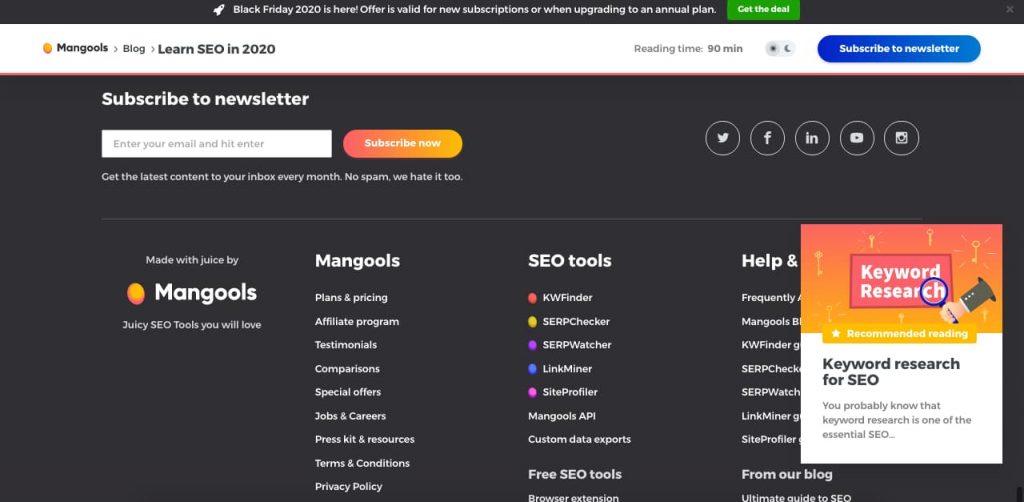
Mangools opt-in box with a CTA

Include a method of contact on every page of your website

Another simple tip to generate more leads to your website and yet many websites fail in this department. Include a contact form or a phone number on every page to get in touch with your company. You don’t want there to be any reason a visitor is not able to contact you, and what’s more, is that you want to gently urge them to do so by having a method of contact available on every page of your website.

Establish your key performance indicators

It’s difficult to have an accurate idea of how your website performs without tracking your performance with a tool. At the very least you need to install Google Analytics to generate reports on how your website is responding to campaigns and changes you’re making to improve your lead generation.

Increase in dwell time

Track the pages that are most popular on your site. It’s important to know how much time users are spending on each page and whether that time extends after you’ve made adjustments.

Reduce bounce rates

Track the bounce rate of your pages. If people are backing out quickly, you should try adding different content or more internal links to guide them to more related content.

Track conversions

Create goals to track the number of conversions you make on each page. Your goals can consist of clicking a call button, landing on a contact page, filling out a contact form or making a purchase on your website.

Track every increase or decrease in conversions as direct indications of how well you’re adapting to the demand of your audience. When something works well, you can scale up your effort in that department.

When something doesn’t work, you can eliminate those tactics from your lead generation strategy.

It’s difficult to move forward without knowing exactly where you stand. There are dozens of tools to help guide your website to improved performance. Make sure you’ve established which KPIs will give you the most clarity for making decisions to improve your leads.

Drive more targeted leads to your business

Learn how to generate more leads from your website by implementing and testing as many tactics that are appropriate for your audience. There is no one way that is guaranteed to lead you to the ultimate conversion rate. However, you can identify what tactics leads to the ultimate conversion rates through split testing, tracking and adapting to what your audience needs and wants.

When something works, scale up your efforts. When it doesn’t work, make sure you know why and then eliminate the tactic as part of your strategy.

Be sure to stay consistent with your efforts and track your results. Click here to read how to drive more traffic to your site using 33 different tactics.

If you don’t have time to put these practices into effect, get in touch with us and we’ll create a lead-generating strategy that makes sense for your business.
Written by Christian Carere · Categorized: Web development

Jan 28 2023

10 Digital Marketing Strategies To Implement In 2023

Of all the important tasks that a small business has on its plate, there are at least 10 digital marketing strategies that should remain at the foremost of your mind. Here is a checklist for starting the New Year with an additional boost to your website’s search visibility.

  1. Optimize for keyword topics
  2. Create content for users
  3. Focus on one social media profile
  4. Build a personal influencer network
  5. Be an active guest author
  6. Improve UX
  7. Build an email list
  8. Incorporate branding
  9. Improve technical SEO
  10. Analyze and adapt

Optimize for keyword topics

The capability of search engines to extract meaning has changed the way content is optimized. Sprinkling keywords throughout your page isn’t enough to make a page relevant in a keyword-related query. It’s still necessary to have keywords in the most important places for on-page optimization but in order to truly be competitive, your content needs to be optimized for an entire keyword topic.

Keyword research

Keyword research is the process of discovering the most important terms as well as relevant topics that contribute to your page’s overall optimization. Use multiple sources for identifying keywords to create more options to choose from.

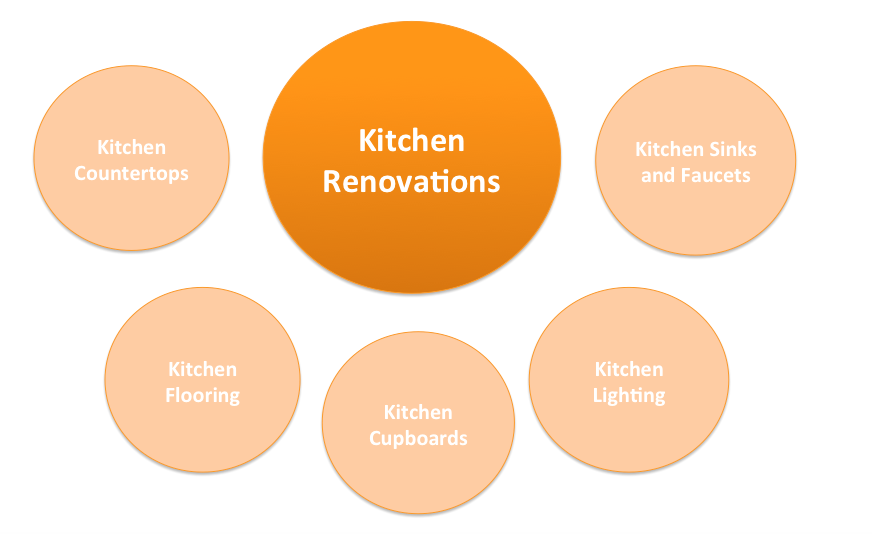
It would be impossible to publish a relevant page on kitchen renovations without mentioning the subtopics that go into performing a kitchen renovation.

By breaking down each topic into smaller subtopics, you’re able to target more specific search terms and provide more depth in a keyword topic.

Topic clusters

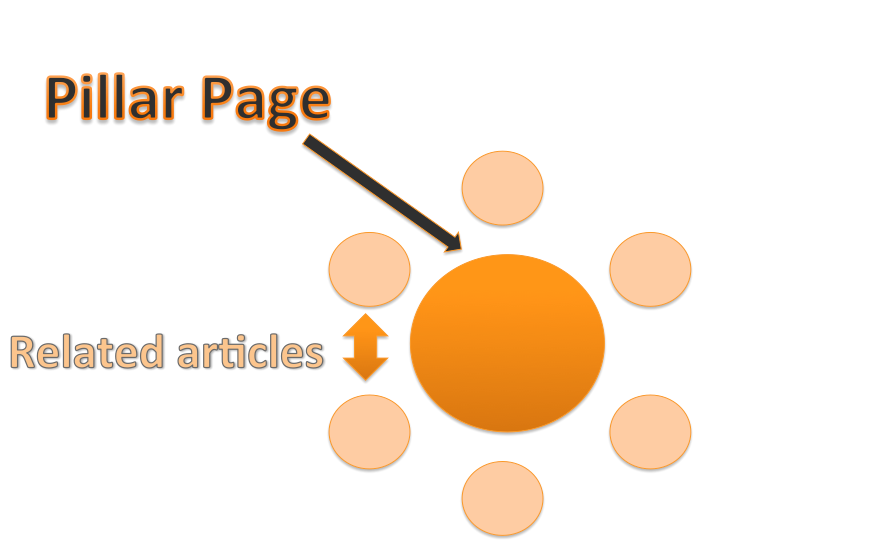
Creating topic clusters is an effective way to promote the relevance of your site for a specific topic. By identifying the most relevant subtopics of the most important terms to your business you can create a content cluster best represented by the pillar page model. 

Pillar page model is one of many digital marketing strategies that create relevance for specific keyword topics

Pillar page model

The search term in this example is kitchen renovations. This topic can be broken down into subtopics to include countertops, flooring, lighting, cupboards, etc. The main page would link out to individual pages to explain each of these components in further detail.

Example of a topic cluster for kitchen renovations

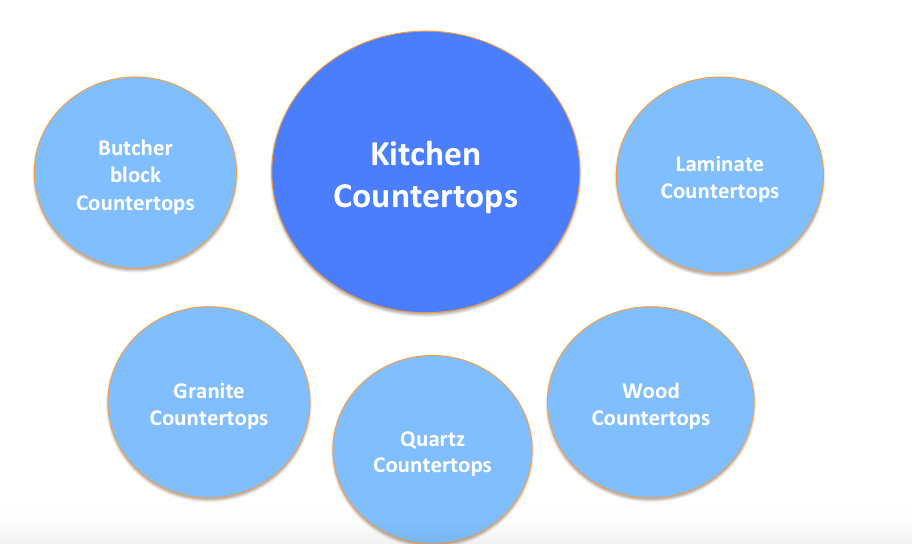
As you dive deeper into detail it becomes apparent that each of the subtopics to kitchen renovations also has their own subtopics that can be further explained with separate pages. The phrase kitchen countertops can be broken down into more articles that explain the types of countertops and represent very high volume search terms.

Example of a topic cluster for kitchen countertops

Whether your content already exists or not, clustering your topics to show that your site goes deeper into detail will demonstrate expertise in your niche. By linking to the main pillar page from your subtopic pages, you raise the profile of the major search term. From a search engine perspective, this demonstrates the depth your site has for the entire keyword topic, enhances optimization and increases your site’s ability to answer user intent.

Create content for users

Satisfying search intent is a major factor in establishing relevance and ranking for a search query. The first page of results is a search engine product because it represents their best solution to a search query. Websites are selected in a search result based on the ability to provide what the user was looking for and as a result, be the final destination of the user’s search.

Search engines want to see that your site dives into the most important details of a query and has the ability to answer commonly asked questions related to the search. 

Publishing content that provides solutions to common problems increases the value your site has because your content provides a specific response to a specific query. Create a resource for your clients and future clients by providing content that targets problems. Learn how to write SEO optimized blog posts to increase traffic your site receives.

Use the SERP as a resource to find what people are searching for the most. Google autosuggest, PAA boxes and featured snippets are major clues to the questions and answers people are searching for and serve as an indication as to what content should be included on your site. 

Focus on one social media profile

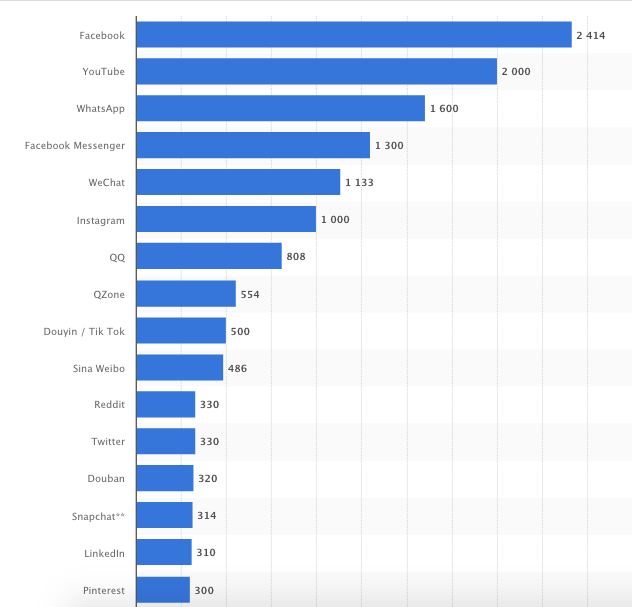
There’s no question that a social network can provide an excellent source of the traffic to your site. Here is a list of the top social media sites and the number of users on each platform.

Social platforms to implement into your digital marketing strategies based on number of users as of 2020
Source: Statista

The top social media sites have become secondary search engines that can benefit your site by driving traffic from optimized content. In order to be effective in driving the most traffic from any social site, it’s necessary to be active as a community member and not just a robotic content posting machine. 

The whole purpose of social media is to be social, which allows businesses to show a more human side in which people can relate. This type of effort takes time and resources so it’s advantageous to allocate enough attention to one profile where you actually engage with other members.

Choose the most appropriate social profile to focus on to create a strong presence and build a network. It wouldn’t make sense to focus on Instagram if your company specializes in high-ticket B2B services. LinkedIn would be a better platform for your particular niche. 

However, if your selling retail products, Instagram is the perfect platform where your product can get a lot of exposure and interest.

Build a Personal Influencer Network

One of the top three ranking factors is the strength of your backlink profile. It has become increasingly difficult to acquire high-quality backlinks and building a PIN (Personal Influencer Network) can increase the speed at which your website acquires links.

Identify the influencers, site owners and authors that actively publish content in the same industry as your own. One approach in building a mutually beneficial relationship is to offer them value before you’ve even made contact.

For example, research their website and find what keywords they’re appearing for on the second page of Google. 

Link to their site on relevant pages a number of times in your own content and link building efforts. 

Reach out to them explaining how they’ve influenced your work and provide them with the list of URLs in which you’ve included links to their content. This in itself is often enough to encourage them to want to return the favour. 

Regardless of how they respond to your generosity, they will definitely be more inclined to pay attention to a page you’ve created in which you need links.

A simple email informing them about your content is more than often enough for them to help you out by linking to your site.

Be an active guest author

Guest posting regularly is an excellent way to build awareness of your brand and acquire high-quality links. The characteristics of quality backlinks are that the links come from relevant content, on a relevant site and from a website that has a good flow of traffic and high search visibility for similar keywords (preferably with a high DA).

You control all of these factors and apart from the authority, you build from the links you increase the awareness of your company and create relevant streams of traffic to your site.

Improve UX

The experience users have on your site plays an important role in engagement. Visitors will leave a site that they find difficult to navigate or that takes too long to load.

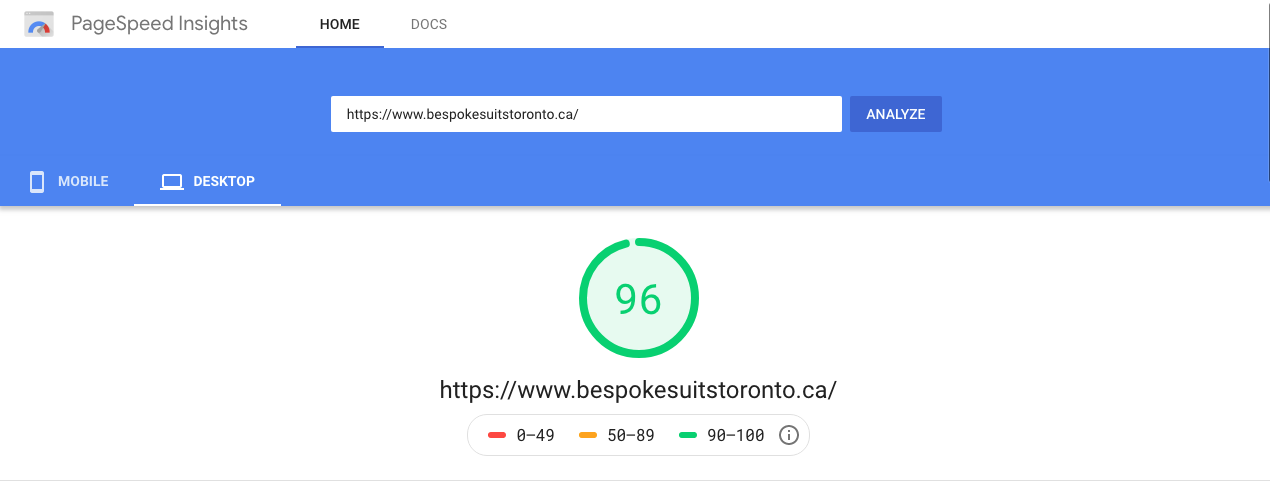
User experience is a category to address in your digital marketing strategies. Page speed has a direct impact on user experience

Page speed became an official ranking factor on mobile devices in July 2019 after the Mobile-First update. Considering that the majority of searches are now performed from a mobile device this places a high priority on maintaining fast load time.

Improving mobile page speed is a digital marketing strategy that leads to a better ranking

Speed up your pages load time by uploading images that are compressed and sized to fit the space for what your site needs. 

Use plugins to minimize and inline your HTML, CSS and JavaScript. 

Delete unused plugins to clear unwanted clutter from your header as this is the first area to register when your site is loading.

Build an email list

Boasting the largest ROI in the business at roughly 3800%, email marketing is an aspect you can’t afford to ignore. An email list will Google-proof your website by providing traffic through scheduled newsletters, updates or promotions. 

Build an email marketing campaign and learn more about your audience through the statistics your campaign generates that provide insight on user behaviour. High open rates indicate what subject lines would make great headlines to attract attention. High click-through rates to your site indicate interest in a particular topic in which you can build more content on your website.

Incorporate branding

As the competition becomes more difficult, branding becomes a bigger asset to your marketing. Incorporate branding in your link building and content creation. When users recognize your business it encourages leapfrog clicks. People will jump to your site if they recognize your company as opposed to clicking on a site they don’t recognize.

The way people scan search results is shifting from the traditional allocation that ranking suggests. The number one position won’t always get 30% of the traffic because people will click further down the page for a recognizable brand. This type of user behaviour improves your site click-through rate, which also results in a higher ranking on the SERP.

Improve technical SEO

Stay on top of the technical aspects of your site to maintain a competitive edge. When all things are equal in terms of content, optimization and backlinks, the technical performance of your site can mean the difference in outranking your competition. 

Use tools such as Screaming Frog or Deep Crawl to get an overview of the performance of your site. Identifying and correcting indexing issues, duplicate content and metadata issues can improve the performance of your site. A few 404 errors (broken links) may not hurt your site too much, but as they accumulate they can weigh down the user experience and therefore affect your ranking ability. 

Analyze and adapt

Optimize your websites for performance in every aspect that pertains to how search engines are ranking sites for your keyword. Analyze the SERP to identify the characteristics the ranking pages share and what is making a difference in how Google is determining to rank websites for that particular search term. 

For example, a characteristic that magazine-style blog sites benefit from is fresh content. Having the most recently published content is baked into the ranking algorithm. Therefore, maintaining a consistent publishing schedule and updating older blog posts creates positive ranking signals and a sharper competitive edge.

Every niche and every keyword should be considered separately because Google’s ranking algorithm changes with the intent of a search. Be aware of what’s working on the SERP for your keywords to make those adjustments and additions necessary to rank in a top position.

Implement sound digital marketing strategies

Execute careful and consistent content strategies that address the needs of your current and future clients. 

The top-ranking factors (content, backlinks and Rankbrain) are ultimately related to providing the best experience for the user. Keep this in mind when forming keyword, content, link-building and digital marketing strategies for the biggest impact in traffic and lead generation in 2023.

Related reading: 12 Web Design Trends By Toronto Experts

Written by Christian Carere · Categorized: Content strategy, Web development

Jan 13 2023

Increase Organic Click-Through Rate

SEO is the holy grail of inbound marketing. Placing your website where people are actively searching for what you offer is one of the most effective online marketing strategies with the highest conversion rate.

You may not be familiar with the term, but your organic click-through rate is an important metric when it comes to gauging the performance of your pages in the search engine result page (SERP).

What is the organic click-through rate?

The organic click-through rate refers to how many clicks your website receives compared to the total amount of available clicks. If a keyword generates 1000 clicks on the first page of search results and your website gets 400 of those clicks, your organic click-through rate is 40%.

The trend has been an increase in the number of Google features that occupy the first page of search results. This has forced website owners to take a more strategic approach to generate traffic from the Google search index.

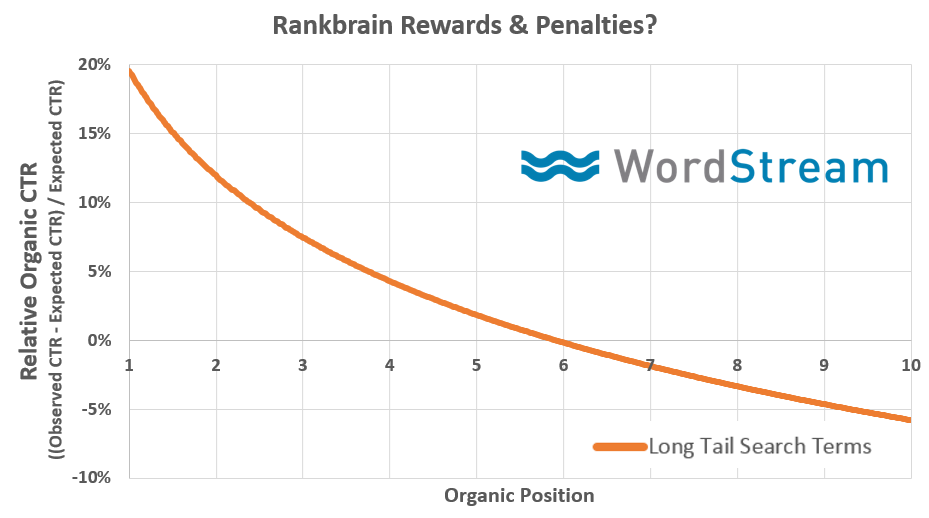
The organic click-through rate your website receives becomes an important factor because it’s a metric that Google measures and rewards. Each position on the first page of search results has an expected click-through rate. If your website exceeds the expected click-through rate, Google will position your page higher in the SERP.

Wordstream line chart showing how pages position and organic click-through rate are directly related
Image source: Does Organic CTR Impact SEO Rankings?

The same holds true if you reverse the situation. If your page receives less than the expected number of clicks, it will lose position on the SERP.

The click-through rate your page receives plays an important role in your ranking and ultimately in the volume of traffic, you drive to your page.

So how can you increase the organic click-through rate of your site? Here are a few strategies to implement that will work to get your page more clicks from the SERP.

Improve your page ranking

If you improve the position of your website on the first page of results, you will naturally increase the organic click-through rate. The first five search results typically receive the lion’s share of the traffic on most keywords. Improving your position closer to the top of the page will give your website more search visibility and as a result, more clicks to your page.

Improving your ranking isn’t a simple task but with a planned effort you can work towards this goal using the following tactics:

Enhance optimization

Make sure you’ve covered the essential on-page optimization factors that indicate the most important keywords on your page. Use your keyword in the title, meta, URL and within the first 100 words of your page.

Tag your images with your keywords within the image alt description and as a bonus, use the keyword in the image filenames.

You can use the tool Text Optimizer to make improvements to the text on your page. This tool will suggest a number of LSI keywords to add to your page and could be the boost you need to enhance your optimization.

Add backlinks

A high-quality backlink will increase the ranking ability of your page. Avoid linking to questionable websites and make your links count by researching and vetting the websites to make sure they are a good source of authority and credibility for your content.

Answer search intent more thoroughly

At the end of the day the most important part of achieving a top ranking is about how well your page answers the intent of the search. Make sure a user can land on your page and have every question answered that’s related to the query.

Analyze the top-ranking pages and make sure you haven’t left any details out in your content. Improve the quality of your page to be a better solution to user intent.

Tempt users with a catchy headline

The headline of your page is the most important part of marketing your website in the SERP. It’s one of the first things a user sees when scanning the results page and will heavily influence whether they will click on your site. There are dozens of headline strategies you can implement that are proven to attract more clicks.

Did you know traffic can be swayed as much as 500% based on your headline? Your headline is the single most important selling feature of the content you’re producing.

There are numerous studies that have been published to improve the click-through rate of your site by making subtle changes to your headline. Learn how to write a great headline using any one of these strategies.

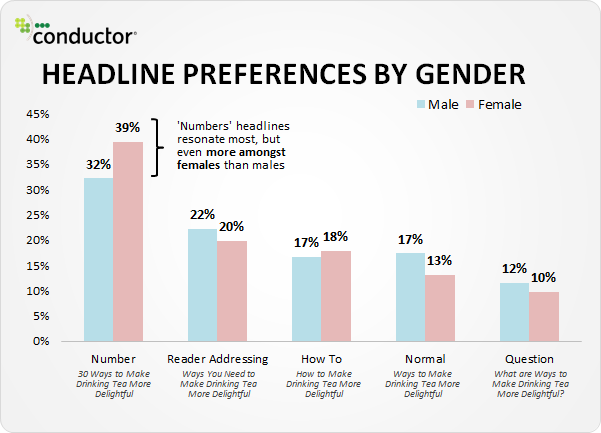
Use numbers in your headline

One of the top-performing types of headlines is those that include numbers. Listicles, by far, receive the highest CTR and get the most shares on social media.

Conductor headline preference
Image source: 5 Data Insights To The Headlines Readers Click

Incorporate a number within your title to improve the number of clicks your page receives.

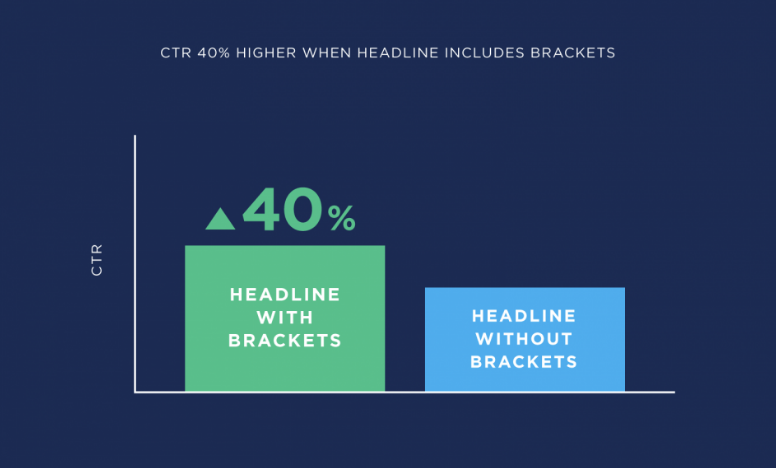
Use brackets within your headline

Another strategy to increase organic ctr is to use brackets in your headline. The use of brackets attracts users because they understand they’re getting a quick summary of the article. You can use brackets to feature specific aspects of your content and make it more enticing for the click.

Chart illustrating brackets in your headline increase organic click-through rate by 40%
Image source: Backlinko

Create user/search engine-friendly URLs

Use short, descriptive URLs that contain your keyword so that search engines and users have an accurate idea of the content your page contains. The URL is one of three things a user will see on the result page so it’s important to take advantage of this aspect of marketing your content.

Compare the above URL with non-descriptive URL (below) and it’s much clearer why a user would pick the shorter URL that includes the target keyword.

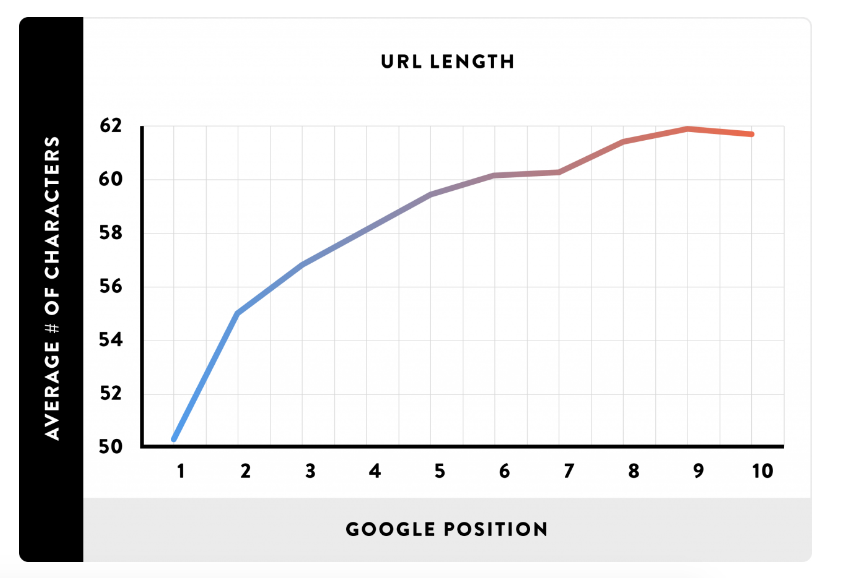
User-friendly URLs are easy to read, short and are typically a summary of the content and a shorter version of the title. Avoid computer-generated URLs that have no meaning to users or search engines. Take a look at the ranking results of pages that have short URLs:

Image Source: Backlinko

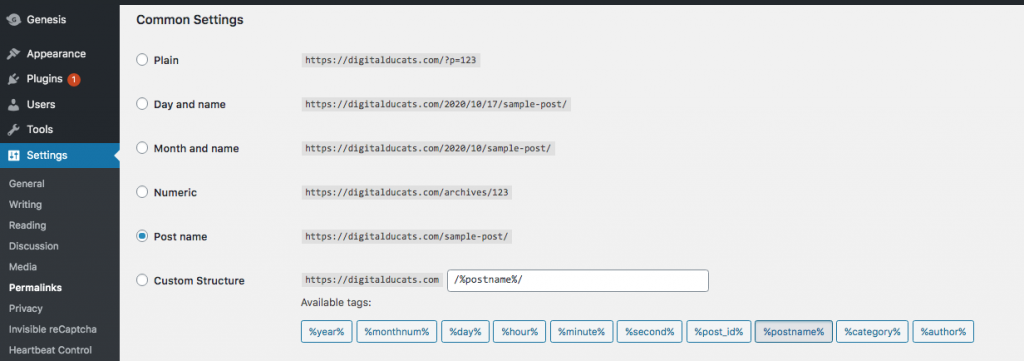
If you’re using WordPress (which accounts for 75% of the total websites created) then it’s an easy fix to make sure you’re able to use your keyword in the URL. Simply go to Settings, Permalinks, and select Post name as the preferred extension of your URLs.

Draft enticing meta descriptions

The meta description is your opportunity to convince a user that your page is the best option to satisfy search intent. Incorporate the keyword in the front end of your meta description to show users that they’ve come across a page directly related to their search.

You have 160 characters to create an elevator pitch to get the user excited about the content that you’ve published. Provide an accurate summary of how your page addresses the true intent of the search.

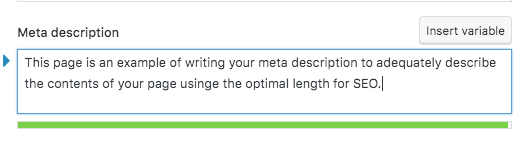
Install Yoast for the easiest way to manage your metadata. Yoast provides you with a section to enter your meta description with a visual gauge for making sure the length of your description is adequate.

Yoast meta description example for how to manage quality and length for increase in organic CTR

Failure to enter a meta description will force Google and other search engines to come up with one for your page. The snippet that appears may not be as convincing as the one you can create yourself. It’s an SEO best practice to include a meta description for every page you intend to display in the search results.

Implement structured data markup

Structured data markup is useful for search engines because it summarizes the content on your page in a more easily accessible language. The implementation of structured data markup can result in rich results, which enhances the quality of your search result listing.

Rich results

Google has steadily increased the number of features that appear in a search result. Anything that isn’t just a blue link can be considered a rich result.

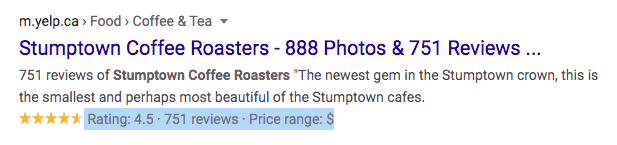
Rich snippets can make your listing more attractive to users and therefore attract more clicks. Rich results can come in a variety of flavours, however, there are specific types of Schema you can deploy that will encourage Google to feature your content as a rich result.

There are ratings and reviews,

review rich result

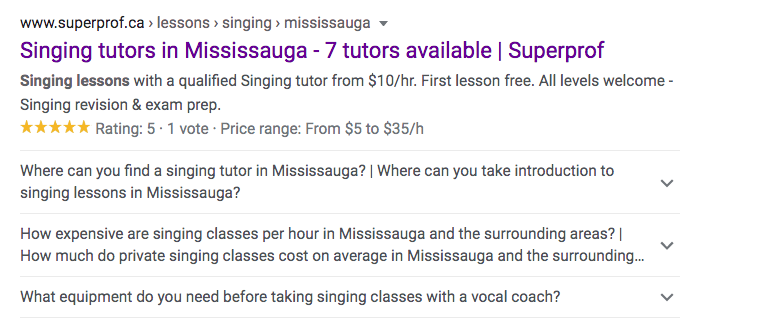
FAQ Schema,

FAQ rich result is proven to increase organic click-through rate

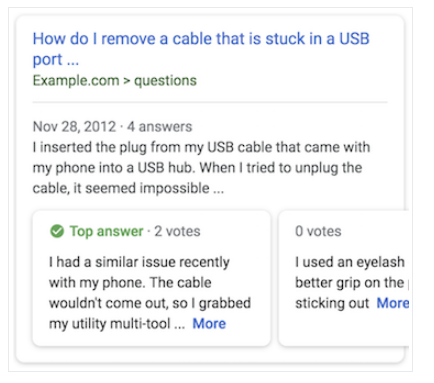
Q & A Schema,

Q & A schema rish result will increase organic click through rate

How-to Schema,

Google's example of a how-to schema rish result for how to tie a winchester knot

By implementing the correct structured data markup, you can deploy the types of Schema that will make your page eligible to be featured as a rich result to increase the organic CTR of your website.

Increase page speed

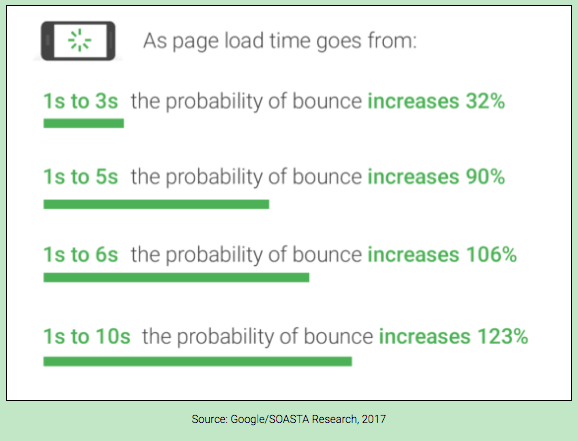
The speed at which your page loads plays a role in how many visitors actually land on your page. If you’re anything like the majority of users, you can relate to the fact that people tend to leave websites whose pages take a long time to load. In fact, studies show that an increase in load time from 1-3 seconds will increase the likelihood of visitors backing off your page by 32%.

Google study on the probability of bounce rate base don page speed

Increase your page speed to reduce the bounce rate and get more visitors on your page. You can do this a number of ways but the first step is to identify the problem by visiting Google PageSpeed Insights.

Enter your URL and Google will provide you with a detailed report on how to improve the time it takes for your pages to load. The report will indicate the major areas that are slowing down your page.

Take preventative measures

Make page speed a conscious effort in your content creation to improve user experience. Use plugins that reduce the size of your images (Smush) as well as a CDN for faster server response times. W3 Cache is also a plugin that will allow you to leverage browser caching and inline HTML, CSS and JavaScript. By addressing these four issues you can maintain a page speed close to the recommended load time of 2 seconds.

Target additional keywords

Optimize for additional keywords to increase the organic click-through rate of your page. Although you may be targeting one major keyword, you can improve the traffic your page generates by identifying alternate keywords that your page is also ranking.

Rather than just driving traffic from one keyword, you can improve the optimization of a second and third keyword to increase your position and overall click-through rate.

Using a tool such as SEMRush makes it easy to see what alternative keywords your page is appearing for in a search.

SEMRush keywords
Click on far right link to see the keywords your page is appearing for in the search results

Moving your page up from the second page to the first page can tremendously affect the clicks your page receives, but keep in mind that some of the greatest gains with less effort will come from moving your page from positions 6-10 into the top 5 search results.

Increasing organic CTR ultimately increases revenue

The traffic your website receives is directly related to the revenue it generates. The law of averages dictates that the more visitors that are frequenting your website means that there will be more sales and new clients.

If you’ve targeted the right keywords in your strategy you now have multiple ways to increase organic click-through rate which results in increased traffic, leads, and new clients.

Written by Christian Carere · Categorized: Web development

  • « Go to Previous Page
  • Go to page 1
  • Go to page 2
  • Go to page 3
  • Go to page 4
  • Interim pages omitted …
  • Go to page 32
  • Go to Next Page »

Footer

Need professional SEO advice?

Give us a call to learn more about how we can help your business

Call for a consultation Request a proposal

Request a free website analysis and proposal for your company by filling out the ” Request a Proposal” form.

  • Privacy Policy
  • Terms Of Service
  • Cities we’ve served

© 2026 · Digital Ducats Inc.